EN
EN  IT
IT 

Studying abroad: how much does it really cost and what is the return on investment? USA-Europe comparison guide
Summary
Studying in the United States today costs between 80.000 e 90.000 dollari all’anno, mentre in Europa molte università pubbliche C In questa guida confronto il modello universitario americano con quello europeo su tre fronti concreti: i costi reali, le tutele burocratiche sui visti e il ROI a lungo termine. Troverete inoltre consigli pratici per pianificare il budget familiare e le risposte alle domande più frequenti di genitori e studenti.
Nel mio studio, tra i sogni dei ragazzi e le scelte delle famiglie
In my lavoro di educational counselor incontro ogni giorno genitori e ragazzi alle prese con una delle decisioni più importanti della loro vita: la scelta dell’università. C’è chi arriva già con le idee chiare e chi invece si presenta con mille dubbi, ma nella maggior parte dei colloqui torna sempre la stessa domanda: ha ancora senso fare sacrifici enormi per studiare negli Stati Uniti, o esistono alternative migliori?
Fino a qualche anno fa la risposta sembrava scontata. Nell’immaginario collettivo il “sogno americano” era il gold standard: se un ragazzo aveva talento, la meta naturale erano le università dell’Ivy League o i grandi campus di ricerca, e quel marchio sul curriculum veniva visto come la chiave per una carriera globale. L’Europa continentale, in questo scenario, restava relegata al ruolo di piano B, buona per chi non voleva allontanarsi troppo da casa.
Oggi la prospettiva è cambiata. Sia i genitori che i ragazzi valutano le opzioni in modo più pragmatico, guardando meno al blasone in sé e molto più al reale Ritorno sull’Investimento (ROI) accademico e personale.
A dare una base scientifica a questo cambiamento è una recente ricerca del Center for Studies in Higher Education (CSHE) della UC Berkeley, intitolata “Divergent Business Models in International Higher Education: A Transatlantic Comparison”. Lo studio, condotto dal Prof. Michele Meoli dell’Università di Bergamo insieme ai coautori David B. Audretsch, Alice Civera e Stefano Paleari, conferma che questa transizione non è una moda passeggera, ma una scelta strategica che sta ridisegnando la mappa della mobilità internazionale per le famiglie e per i ragazzi.
Stati Uniti: il peso delle rette da capogiro e il mito della ‘vita da campus’
Quanto costa oggi studiare negli Stati Uniti? Tra rette, vitto e alloggio si superano gli 80.000-90.000 dollari all’anno, per un totale che sfiora i 350.000 dollari sull’intero ciclo di studi. Un impegno finanziario enorme, che negli USA ricade quasi per intero sulle famiglie, dato che l’università è concepita come un bene privato. Dagli anni ’60 a oggi il costo medio di una laurea è più che triplicato in termini reali.
Fino a poco tempo fa questo sforzo veniva accettato in cambio di una certezza: il ‘wage premium‘, cioè stipendi post-laurea sensibilmente più alti per chi si laureava negli Stati Uniti. Oggi quel differenziale si sta riducendo, e con esso l’equazione che per decenni ha giustificato la spesa.
C’è poi un altro elemento da considerare: l’iperinflazione dei costi legati alla vita da campus. Un’inchiesta del New York Times lo ha sintetizzato con un titolo diretto: ‘Il college vale la spesa, ma la vita nei campus no’. Molti atenei americani hanno investito cifre colossali in servizi non accademici, gonfiando le rette senza un corrispondente aumento della qualità didattica. E in fondo i ragazzi non cercano un villaggio vacanze: cercano competenze spendibili e relazioni, senza dover ipotecare il proprio futuro per ottenerle.
La burocrazia che frena l’entusiasmo: l’incertezza dei visti americani
È rischioso oggi il visto studentesco americano? I dati dicono di sì: all’inizio del 2025 si è registrato un calo del 61% dell’interesse globale per i programmi di specializzazione negli Stati Uniti, secondo la ricerca del professor Meoli condotta per il Center for Studies in Higher Education (CSHE) della UC Berkeley.
Quando si pianifica un percorso di studi all’estero, la certezza di poterlo completare senza ostacoli burocratici improvvisi è fondamentale. Negli ultimi anni, invece, il sistema dei visti studenteschi americani è diventato sempre più incerto. Un esempio concreto sono le proposte di riforma per eliminare la “Duration of Status” (D/S) per i visti F-1: questo status permetteva di rimanere negli USA per tutta la durata degli studi senza continui rinnovi. Sostituirlo con scadenze rigide introduce un livello di ansia che molte famiglie non vogliono, o non possono, permettersi, e si somma alle restrizioni già esistenti sul lavoro post-laurea (OPT).
Il risultato è che i ragazzi e le loro famiglie non percepiscono più l’America come un paese accogliente per chi vuole formarsi. La paura di investire risorse enormi per poi trovarsi costretti a lasciare il Paese a causa di un cavillo burocratico spinge sempre più persone a guardare all’Europa, che offre percorsi più lineari, stabili e sicuri.
L’Europa continentale: una strategia di valore, non un ripiego
Come ha spiegato il professor Meoli in una recente conversazione con il gruppo europeo IECA, il paragone più calzante è proprio quello con l’aviazione: le università europee oggi si comportano come le compagnie low-cost delle origini. Hanno eroso la dominanza del mercato delle grandi compagnie di bandiera (gli atenei d’élite americani) non offrendo meno, ma offrendo diversamente, a un prezzo che sempre più persone trovano sensato.
Quanto costa studiare in Europa rispetto agli Stati Uniti? Molto meno: in Germania l’università pubblica è gratuita per i cittadini UE, mentre in paesi come i Paesi Bassi o l’Italia le rette annuali variano mediamente da 1.000 a 3.000 euro. In altre parole, l’intera formazione universitaria di un ragazzo in Europa può costare meno di un singolo mese in un college americano. E non si tratta di un compromesso sulla qualità: a differenza degli Stati Uniti, dove il divario tra atenei d’élite e università di fascia media è enorme, il sistema europeo garantisce standard accademici omogenei ed eccellenti ovunque.
C’è poi un fattore che ha cambiato le regole del gioco: l’esplosione dei programmi in inglese, i cosiddetti English-Taught Programs. Nel 2009 in tutta l’Europa continentale esistevano solo 55 lauree triennali in inglese; oggi sono oltre 3.000. La barriera linguistica, di fatto, è caduta: i ragazzi possono studiare in inglese in Olanda (diventata un vero hub internazionale), in Germania, in Danimarca o in Italia, in un ambiente cosmopolita che affianca allo studio l’apertura culturale. Questa combinazione di qualità e sostenibilità economica attira ormai anche gli studenti americani, circa 300.000 ogni anno.
Pianificazione finanziaria: la mia guida pratica in 5 passi per le famiglie e gli studenti
Nel mio lavoro di counselor ripeto sempre la stessa cosa: una buona financial planning è la chiave per vivere l’esperienza dello studio all’estero con serenità. Spesso le famiglie si concentrano solo sul costo delle tasse universitarie, trascurando una serie di spese collaterali che possono pesare parecchio sul budget. Ecco i 5 passaggi che consiglio sempre di seguire.
- Dividete le spese per categorie. Calcolate con cura il costo dell’alloggio, che in città come Amsterdam o Monaco è alto e va prenotato con largo anticipo, poi il vitto, i trasporti locali, i viaggi per rientrare a casa durante le vacanze e l’assicurazione sanitaria obbligatoria. Un elenco dettagliato, fatto prima della partenza, evita brutte sorprese a metà anno.
- Non sottovalutate le borse di studio e le agevolazioni. Molti atenei europei ne offrono, sia basate sul merito accademico che sulle condizioni economiche della famiglia. Ci sono poi i bandi del Ministero degli Esteri o di fondazioni private: vanno cercati con calma, e la ricerca dovrebbe iniziare almeno 12 mesi prima della partenza.
- Valutate seriamente l’opzione del lavoro part-time. In Europa gli studenti UE possono lavorare senza limiti legali, e anche per gli extra-UE le regole sono semplici, di solito fino a 20 ore a settimana. Negli Stati Uniti, invece, il visto F-1 vieta quasi del tutto il lavoro fuori dal campus: un’opportunità in meno per chi vuole rendersi autonomo economicamente.
- Sfruttate le agevolazioni per studenti. Trasporti pubblici, musei, cinema e persino molti ristoranti offrono sconti significativi con la tessera universitaria. Sembra un dettaglio, ma insegnare ai ragazzi a usarla in modo sistematico aiuta davvero a ottimizzare il budget quotidiano.
- Occhio alla gestione del cambio valuta. Se si studia in un paese fuori dalla zona euro, come il Regno Unito o la Svizzera, conviene aprire un conto multivaluta locale: altrimenti le commissioni bancarie su prelievi e pagamenti con carta erodono silenziosamente le risorse, mese dopo mese.
Oltre il titolo di studio: le “Power Skills” e il valore reale dell’esperienza
Una laurea europea vale quanto un titolo americano sul mercato del lavoro? Sì, e il motivo è semplice: il vero valore non risiede nel blasone dell’ateneo, ma nello sviluppo delle “Power Skills”, quelle competenze trasversali che l’intelligenza artificiale non può automatizzare e che i selezionatori cercano con insistenza.
La prima è la capacità di problem solving in contesti diversi. Studiare in un sistema accademico differente, ad esempio quello olandese basato sul lavoro di gruppo e sull’approccio pratico, costringe i ragazzi a uscire dai binari mentali a cui sono abituati. Imparare a collaborare con persone di culture diverse costruisce una flessibilità cognitiva che poi si porta ovunque, anche sul lavoro.
C’è poi l’intelligenza culturale, che va di pari passo con l’empatia. Lavorare in un team internazionale obbliga a sviluppare una sensibilità relazionale acuta: si impara a negoziare, a mediare, a leggere i non-detti e a superare i pregiudizi quasi senza accorgersene. Nelle aziende moderne, globalizzate per natura, questa sensibilità è diventata una risorsa che fa davvero la differenza.
Infine c’è l’indipendenza, che con il tempo si trasforma in resilienza quotidiana. Vivere lontani da casa, gestire la burocrazia di un altro paese, amministrare un budget e risolvere i piccoli imprevisti senza l’aiuto immediato dei genitori è una palestra di vita che non ha equivalenti in aula. I ragazzi maturano prima, acquisiscono fiducia in loro stessi e arrivano pronti ad affrontare le sfide con una marcia in più.
Questo profilo, completo e dinamico, rende i laureati con esperienza internazionale candidati ideali per i graduate program delle multinazionali o per ruoli in start-up innovative. L’investimento iniziale si ripaga non solo in termini professionali, ma soprattutto nella struttura della persona, offrendo una libertà e una flessibilità di carriera che durano tutta la vita.
Domande frequenti sui costi di studio all’estero
Studiare all’estero è un’opportunità riservata solo a famiglie con grandi disponibilità economiche?
No, non necessariamente. Molti paesi europei, come Germania o Olanda, offrono un’istruzione di eccellenza a costi minimi o nulli. A questo si aggiungono le borse di studio basate sul merito o sul reddito, che rendono il percorso accessibile a un numero di famiglie molto più ampio di quanto si pensi.
I titoli di studio conseguiti in Europa sono riconosciuti in Italia e all’estero?
Sì, sono pienamente riconosciuti. Grazie al Processo di Bologna e al sistema dei crediti ECTS, i titoli rilasciati dalle università dei paesi aderenti sono comparabili a livello europeo e internazionale, il che semplifica notevolmente la mobilità professionale e accademica una volta laureati.
Quando è il momento migliore per iniziare a pianificare la candidatura?
Il momento ideale è durante il terzo o quarto anno delle superiori. Questo margine di tempo consente di scegliere con calma i paesi target, verificare i requisiti linguistici, preparare le certificazioni necessarie e costruire un profilo davvero competitivo.
È possibile lavorare per mantenersi durante gli studi all’estero?
Sì, soprattutto in Europa, dove le procedure sono più semplici rispetto agli Stati Uniti. Gli studenti UE non hanno limiti di orario, mentre per gli extra-UE si applica generalmente un tetto di 20 ore settimanali durante il periodo di lezioni, che spesso diventa illimitato nei mesi estivi. Negli Stati Uniti la situazione è molto più rigida: il visto F-1 consente di lavorare quasi esclusivamente all’interno del campus universitario, rendendo di fatto impossibile un impiego esterno per integrare il budget familiare.
La strada giusta per il vostro futuro
E in un mondo che cambia a questa velocità, l’accessibilità e la certezza delle regole sono diventate il nuovo, vero prestigio. Oggi, la sfida per le famiglie e per chi si occupa di orientamento non è più semplicemente inseguire il brand universitario più altisonante. Si tratta di saper leggere i dati reali per costruire percorsi su misura, flessibili e sostenibili. Perché il vero valore dell’istruzione superiore oggi non si misura sul costo di partenza, ma sulla libertà di scelta e sul ritorno concreto che lascia al futuro dei ragazzi.
Se state valutando il costo di studiare all’estero e desiderate costruire insieme una mappa personalizzata, che tenga conto delle inclinazioni dei ragazzi, dei requisiti di ammissione e del budget familiare, scrivetemi: sono qui per questo.
Pianificare in tempo è il primo passo di un percorso che vale davvero la pena costruire in modo impeccabile, che non si limita al titolo accademico, ma che si traduce in opportunità reali e tangibili per tutta la vita.

Recent Posts

Summary Studying in the United States today costs between $80,000 and $90,000 per year, whereas in Europe many public universities C In this guide, I compare the American university model with the European one across three concrete fronts: real costs, bureaucratic visa protections, and long-term ROI. You will also find practical advice for planning family budgets and answers to the most frequent questions from parents and students. In my office, between students' dreams and families' choices In my work as an educational counselor, I meet parents and young people every day grappling with one of the most important decisions of their lives: choosing a university. Some arrive with clear ideas already, while others show up...

Summary In this guide, we will explore how to transform the summer months into a strategic resource for applying to universities abroad. We will analyze: How to build a competitive profile ('Career Capital') without resorting to formal internships. How to select target countries critically among the Netherlands, Germany, the United Kingdom, and Ireland. The technical management of application portals (UCAS, CAO, Studielink, Uni-assist). A clear month-by-month roadmap from July to September. Every year, around September, I receive dozens of calls that almost always begin the same way: "We discovered all the deadlines for applying to universities abroad too late." During the summer, while school is out, time seems to stretch, and the idea of thinking about university feels distant. Then September arrives: the...
On July 10th, I will be a guest at H-FARM to lead the workshop "Your Path." This is a special session designed for a group of 15 teenagers, aged 16 to 18, who are concluding an intensive week of training, sports, and personal growth. As I finalize the agenda and review the slide deck we'll use throughout the day, I find myself reflecting on a question I hear repeatedly in my office, especially from parents: "What is the right path?" It's a legitimate question, full of expectations and often, a good dose of anxiety. But the truth is, when it comes to the future and university, there isn't just ONE right path...
Summary For years, I have guided Italian students who wished to pursue their university education outside of Italy. This time, however, the perspective has flipped, and this is precisely what made the experience so interesting. Working as the Italy Country Expert for Briteguides, I found myself taking the opposite path: describing Italy, its university system, its opportunities, and even its complexities, to international students, families, and counselors who view my country as a potential study destination. This change in direction has made me reflect on a point I consider central to my work: studying abroad doesn't just mean moving geographically, but entering into a new relationship with the world, with others, and with oneself. In...

Summary The article emphasizes the crucial importance of timing in the university abroad journey, explaining that the right time to start is often sooner than one might think. Planning ideally begins before high school, with "sowing before reaping," focusing on building a solid profile and language skills. The path concretely takes shape in the third year (or equivalent), a time to begin exploring university systems and consider initial guidance counseling. The second-to-last year is defined as the "heart of planning," the year to initiate the full orientation process, define the budget, work on the extracurricular profile, and prepare for standardized tests. Finally, the last year is for applications, with crucial deadlines extending from October to March. The guide also addresses...
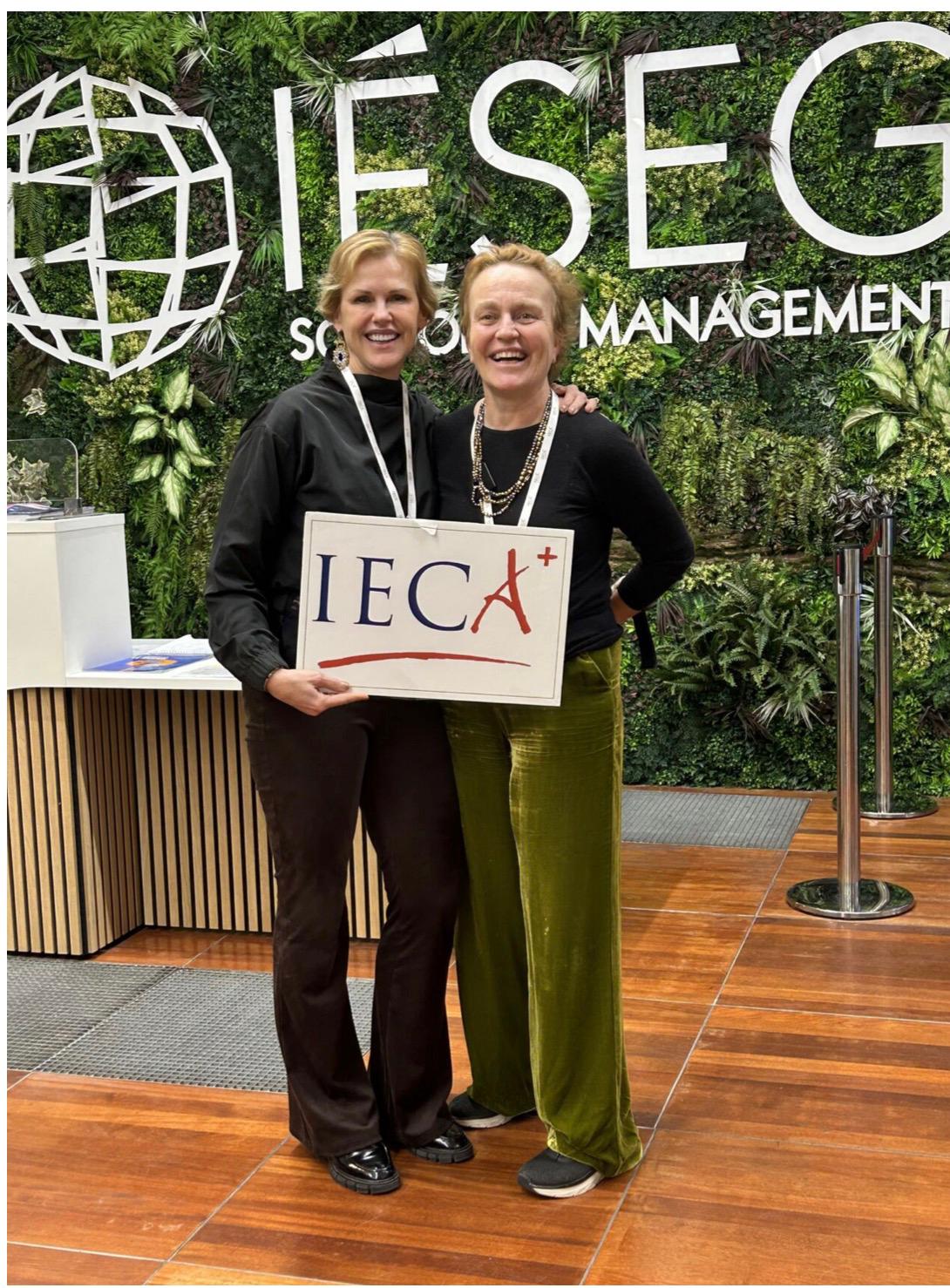
When I unpacked my suitcase upon my return from Paris, I realized that the heaviest luggage was not the one filled with notes and university brochures, but the one loaded with reflections, perspectives, and new awareness. As I told you in my previous article about the reasons for my departure, I had embarked on this journey to the IECA Symposium with a very specific set of questions in my mind. They are the same questions I hear every day in my practice: how will my son find his place in a world dominated by artificial intelligence? Or does it still make sense to make sacrifices for an international education when technology seems to be able to shorten every distance and automate every skill? Today, after two days of intense discussions, panels...

Summary When I talk to students and study abroad families, one question always comes back: how will school, university and work change in the age of artificial intelligence? In 2026, this question has become so central that I decided to help shape the scientific program of the IECA European Regional Symposium in Paris, dedicated to the "Future Learner." In this article I take you behind the scenes of these two days: why I chose to be there, who the Future Learner really is, and how AI can be an ally in study abroad choices. Not a technical account, but a compass for orientation. Why a symposium on the Future Learner (and why now) I well remember the moment I decided that the topic of the Future Learner would not...

Summary Every orientation journey is unique, made up of enthusiasms and second thoughts, fears to be faced and unexpected discoveries. In this article I tell the story of F., a student with an artistic soul who, through a months-long investigation, found her way into psychology in Berlin. A journey that involved not only her, but also her parents, who were called upon to transform anxiety into confidence. F.'s is just one of the many stories I accompany: each student has his or her own path, their own fears, their own revelations. But some dynamics are repeated, and sharing them can be helpful to those who are beginning this journey. When the creative soul meets psychology: a path of orientation through doubts, emotions and choices...

Summary As we prepare to close the doors on 2025, it is the perfect time to look ahead with renewed energy. The new year brings with it new academic programs, new competitions, and new challenges to embrace. In this end-of-year article, we take stock of what it really means to set yourself up for success in 2026-not only with up-to-date information on the best international university pathways, but with the same drive and dedication that has accompanied us so far. There is something symbolic about closing out a year. It is like turning the last page of an important chapter, with the knowledge that the next one is yet to be written. 2025 has been a busy year for so many families I have accompanied. We have explored...

Summary When a family decides to consider an international academic pathway, the question about financial investment and future return is inevitable and necessary. However, limiting the analysis to the first salary or the immediate prestige of the degree risks being a myopic view. In this in-depth analysis, we look at how the out-of-country study experience radically affects career prospects in the medium and long term. It is not just about enriching the resume, but about building a "future-proof" professionalism. We will see how change management, cultural adaptability and acquired method are the real keys to accessing the most ambitious professional opportunities in an ever-changing job market. The legitimate investment doubt: is it worth it? In my...

Summary A journey into the heart of German academic excellence, from Munich to Berlin via Karlsruhe. This is not just a diary of a college tour, but a real immersion into the future of higher education. In this article we take you with us to discover three cities and their universities, each with a unique soul: the pulsating innovation of Munich, the depth of research in Karlsruhe, and the creative energy of Berlin. A journey designed for those who have to choose a university in Germany and are looking for guidance beyond brochures, based on direct experience and a deep understanding of what each campus can offer. Our journey for you: a tour for choosing a university in Germany 1. Our mission: to be...

Summary This article offers a comprehensive guide for students beginning a study abroad journey, emphasizing how building connections is critical to a successful experience. The text takes students through the different stages of their journey, starting with the steps to take before departure, such as using university social media and actively participating in orientation for initial integration. Once at the destination, the article provides concrete tactics for creating a social network, suggesting keeping the dorm door open, forming study groups and joining student clubs. Academically, the guide explains how to navigate the new system, interacting with professors, taking advantage of campus resources, and adapting to a...

Summary As an educational counselor, I emphasize the importance of taking advantage of downtime to find one's college best fit through strategies of self-reflection, active research, and planning. The post explores practical methods for orientation: from creating a "passion journal" to campus visits, from building an academic profile to the supportive role of parents. The goal is to guide students toward an informed choice that goes beyond prestige, prioritizing alignment with their personal and professional aspirations. As an educational counselor who specializes in guiding students toward college pathways abroad, I observe each year the transformative potential of break times to identify one's academic best fit. Although August is drawing to a close, this period can still represent a valuable opportunity...

Every time I prepare a young person for his or her first departure, I find myself reliving the same question: what does it mean, today, to leave home to study across borders? In this post I gather some reflections born from the last chapter of my book and from my daily experience as an educational counselor: an integrated look at the emotions, practical challenges and potential of a path that, despite the uncertainties of the present, remains an extraordinary resource for young people and their families. Studying abroad in the age of global uncertainties Does studying abroad require courage? Certainly, it can be a challenge for kids and families, especially at a time in history fraught with questions for the younger generation. Yet it remains a unique opportunity. A choice of presence, not escape When I started...

In my work as an educational counselor, I dedicate myself with passion and deep responsibility to accompanying students on their college choice journey, visiting universities very often. It is not just a professional task, but a real mission: to help them navigate one of the most significant and transformative moments of their lives. This is an exciting journey, but a delicate one at the same time, as it involves guiding them not only to find their academic path, but to discover their most authentic passions, their hidden talents, and to envision how to turn this into a future full of possibilities, fulfillment and success. I firmly believe that the choice of college is a crucial moment in the life of a...


An international approach is critical to successfully meeting the challenges of the future. (altro…)
Studying abroad is much more than attending a university in another country. (altro…)

One of the first questions students and parents ask is just that: but how much does it cost to study abroad? (altro…)

What to know, how to choose, how to prepare for college abroad. All in a Book! A growing trend that has more than doubled in the last 10 years. A transformation that confirms the mental "quantum leap" that the very young Italians of Generation Z have matured in recent years, conceiving themselves more and more as "citizens of the world." Training abroad is a life-changing choice, an investment in one's future both personally and professionally, a path that opens up new perspectives in an ever-changing world. For these reasons it is a choice that ignites enthusiasm but nevertheless should be pondered with great realism and pragmatism:What is the right college for me? How much does it cost? How can I best prepare myself for admission? Is it from.